


The Character of Champions: Ilia Malinin, Virtuosity Beyond Gold
Our CIFP Council Member Cheche Vidal's first of the six articles is titled: “The Character of Champions: Ilia Malinin, Virtuosity Beyond Gold.”Ilia Malinin’s sportsmanship after defeat constitutes a compelling case to be considered by the International Committee for Fair Play. It is a living expression of what Fair Play represents today: excellence with honor, virtuosity with integrity, and the courage to remain fully human in the most demanding moments of competition.
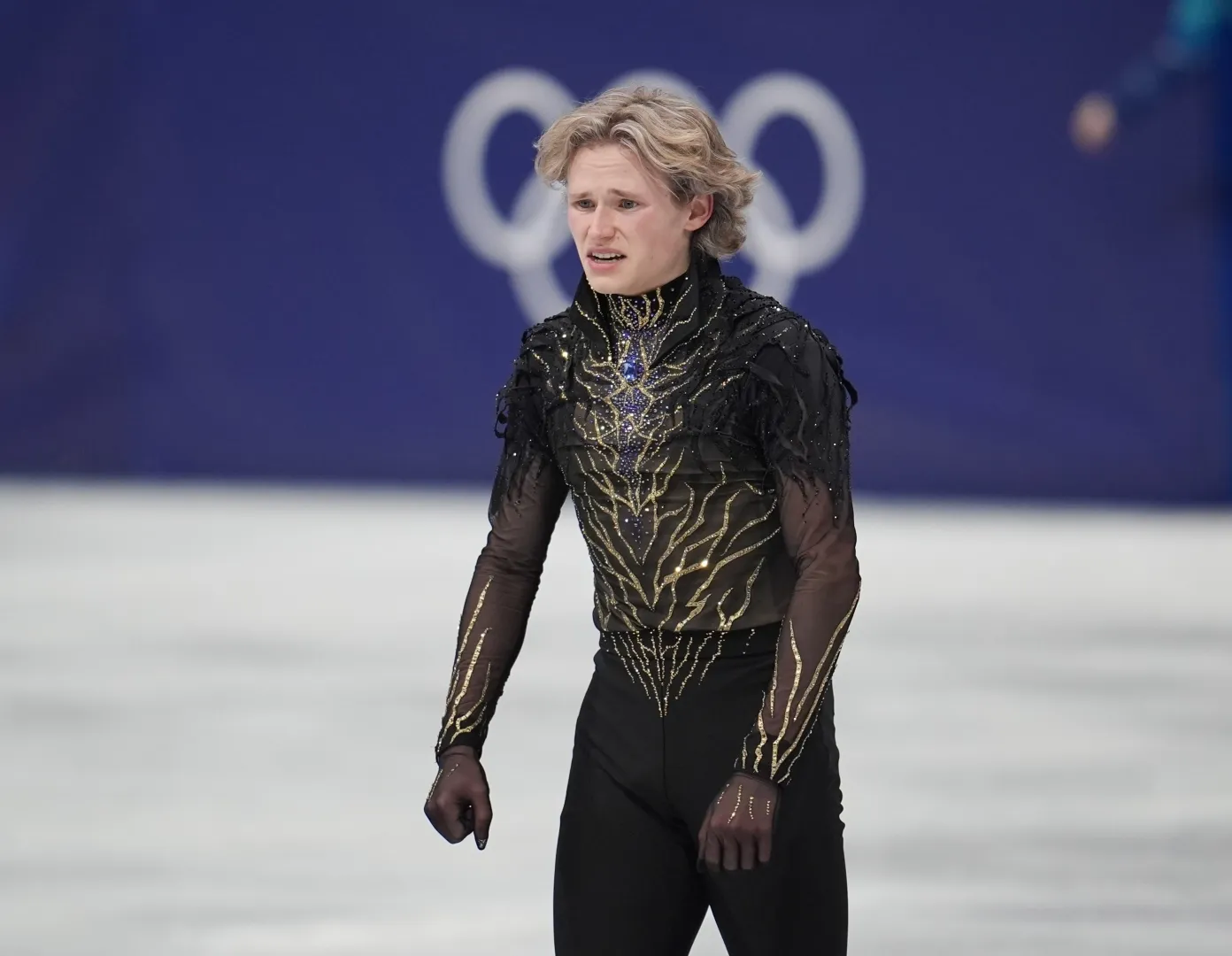
Elite sport often teaches us to associate excellence with victory. Medals, records, and podiums dominate the narrative of success. Yet, on rare occasions, competition reveals something deeper: an excellence that transcends results and exposes the true character of a champion.
Ilia Malinin arrived at the Milano–Cortina Winter Olympic Games not only as a favorite, but with a deeply personal artistic vision. In the months leading up to the Games, he reshaped his competitive programs in search of a musical language that expressed something essential to him as a competitor: the importance of learning to fight through every obstacle, and of doing so until the very end.
For his short program he had chosen The Lost Crown; for his free skate, a piece titled A Voice, an instrumental composition featuring spoken word in his own voice. Malinin himself recorded the words woven into the music: a message about growth, self-improvement, and refusing to give up. Each note, and each word, was conceived as a source of inspiration — embodying a form of competitive virtuosity in which a true champion is measured by the ability to overcome adversity through relentless effort, the agonism of the Greeks, that struggle which gives meaning to life itself and which, in his case, guided the pursuit of a long-dreamed Olympic gold.
Everything seemed aligned for the culmination of that journey. He was the clear favorite. And then, under the unforgiving pressure that defines Olympic competition, the unexpected happened. A series of falls broke the performance, and with it, the medal aspirations that had framed the entire path. And it happened while his own voice kept playing across the ice, telling him not to give up.
When the scores were announced and the reality of finishing off the podium became undeniable, the emotional impact was profound. It was, perhaps, the most painful moment one could imagine. He sat there, in tears, waiting for the last skater to complete his routine, a routine that would be awarded the gold. And yet, in that moment, as if drawing breath once more from that same voice he had recorded to urge himself forward, it was precisely then that Malinin performed the gesture that defines this story: he walked toward the gold medalist, embraced him, and offered sincere congratulations.
It was a gesture that came straight from the soul. From the invincible soul of a champion who knows that, even with the entire world watching, there will always be another competition, another opportunity to try again; who understands that the gold medal that did not come in that moment is less important than the greatness one shows as a human being. And so, he applauded the winner.
In that moment, competition revealed its deepest ethical dimension. Everything was dignity and respect, despite the result.
Malinin’s gesture demonstrated that excellence is not annulled by failure, and that greatness retains its meaning even when victory slips away. It was virtuous competitiveness in its purest form.
For these reasons, Ilia Malinin’s sportsmanship after defeat constitutes a compelling case to be considered by the International Committee for Fair Play. It is a living expression of what Fair Playrepresents today: excellence with honor, virtuosity with integrity, and the courage to remain fully human in the most demanding moments of competition.
Score de Variables
The Analytical Framework developed in this exercise evaluates ethical performances in sport through thirteen variables, organised according to the three types of ethical excellence: Type 1 (Fair Play Act), Type 2 (Virtuous Competitiveness / Areté) and Type 3 (Systemic Excellence). Not all variables apply to every case: each report records only those variables that are operative in the performance under analysis. The scoring scale runs from 0 to 3 per variable. As this is an evolving framework, we expect to refine both the variables and their application as the exercise progresses. Below is the variable scoring for this case.

Analytical Note
What elevates this case beyond a remarkable gesture is its profound internal coherence. Malinin had built his entire free skate program around the concept of perseverance under adversity, voicing that commitment literally in his own words within the music of A Voice. His own voice was playing across the ice as he fell. That he nonetheless rose to honour his rival closes a philosophical circle that no variable in this framework can fully capture — and that is precisely the point. The evaluation above documents what can be measured. What it cannot measure is the coherence between artistic intention, competitive conduct, and moral gesture that makes this case what it is. That recognition belongs to the human judge alone. And in this case, that judgement has only one possible expression: when the gold slipped away, he gave something greater — the measure of a champion.
AI can measure. Only human consciousness can judge.
By Cheche Vidal · Council Member, CIFP · CEO & Founder, Dribbli
Source:https://substack.com/@dribbliethosport


