


Virtuous Competitiveness in the Face of Adversity: The Swedish Women’s Cross-Country Ski Team
Our CIFP Council Member Cheche Vidal's third article from a special project for CIFP: The Swedish women’s cross-country ski team arrived at the Milano Cortina 2026 Winter Olympic Games as clear favorites in the 4×7.5 km relay, carrying the weight of the expectations that naturally accompany those who dominate a discipline. Yet the unforgiving reality of competition transformed that race into something entirely different: a true test of character.
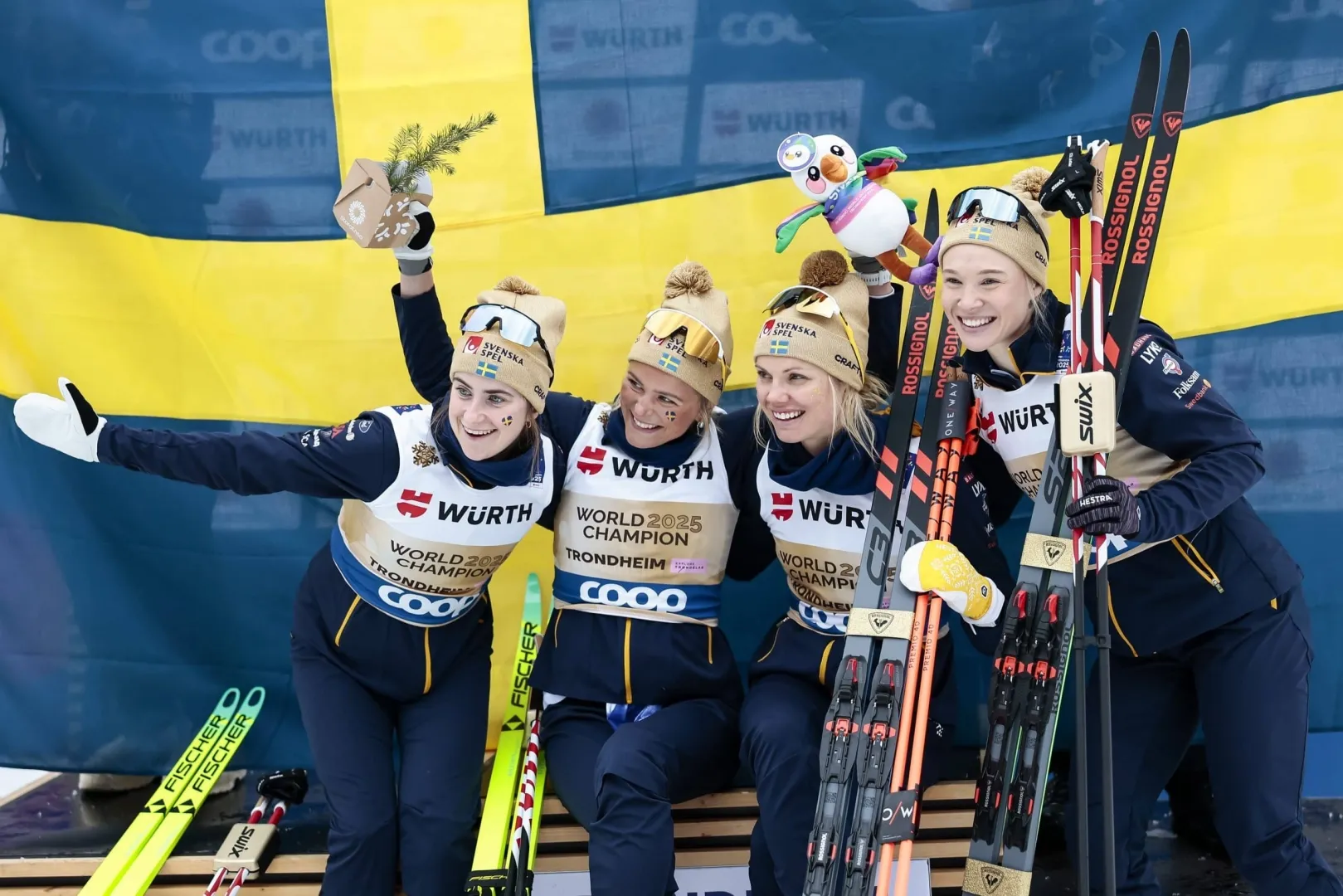
Sweden was leading at the start of the second leg when Ebba Andersson fell three times on soft, heavy snow. On the last fall, she pitched forward and lost a ski, forced to continue for thirty seconds on just one. The technician attempting to reach her with a replacement fell in the snow as well. In a matter of seconds, the team dropped to seventh place. The gold medal hopes had vanished: Norway took the lead and would not relinquish it, crossing the finish line in 1:15:44.8, almost a minute ahead.
Far from surrendering to frustration, protest, or emotional withdrawal from the race, the Swedish team responded with collective resilience, determination, and a profound respect for competition. They did not compete against the circumstances, but through them. Each subsequent leg became a conscious affirmation of commitment — to the race, to their rivals, and to the very meaning of competing. They rallied from seventh place to silver — a medal won by will in the face of every circumstance.
Variable Scoring
The Analytical Framework developed in this exercise evaluates ethical performances in sport through thirteen variables, organized according to the three types of ethical excellence recognized by the CIFP: Type 1 (Fair Play Act), Type 2 (Virtuous Competitiveness / Areté) and Type 3 (Systemic Excellence). Not all variables apply to every case: each report records only those variables that are operative in the analyzed performance. The scoring scale runs from 0 to 3 per variable. As this is a living framework, we expect to refine both the variables and their application as the exercise progresses. The variable scoring for this case is presented below.

Analytical Note
What distinguishes this case from a mere sporting comeback is its collective moral dimension. Andersson did not abandon when she lost the ski. Karlsson did not yield when she started with a 78-second deficit. Sundling did not relent when the medal was still not secured. None of these decisions was compelled by the rules or demanded by the conventions of the sport. They were choices — renewed, individual and collective — to compete with full dignity when the circumstances offered a perfect alibi not to. It is precisely there that areté resides: not in the absence of adversity, but in what character chooses to do when adversity arrives.
AI can measure. Only human consciousness can judge.
The cases documented in this series form part of the evaluation process for the CIFP/IOC Fair Play Award at the Milano Cortina 2026 Winter Olympic Games.
By Cheche Vidal · Council Member, CIFP · CEO & Founder, Dribbli
Source:https://substack.com/@dribbliethosport


